Syrinx — AI-powered voice restoration device
Syrinx Inc. · Software Engineer · 2019.07 – 2020.04
Syrinx is a wearable electrolarynx that restores natural-sounding speech for individuals who have lost their vocal cords, such as laryngeal cancer survivors. Unlike conventional electrolarynx devices that produce a robotic monotone, Syrinx uses AI to generate vocal vibration patterns from the user’s own voice recordings, preserving their personal voice identity.
My contributions
- Built the core ML platform that generates vocal vibration patterns from audio using a Graph Neural Network (GNN)
- Implemented and optimized ML algorithms including GNN and SVM
- Developed the custom wearable hardware in collaboration with the team
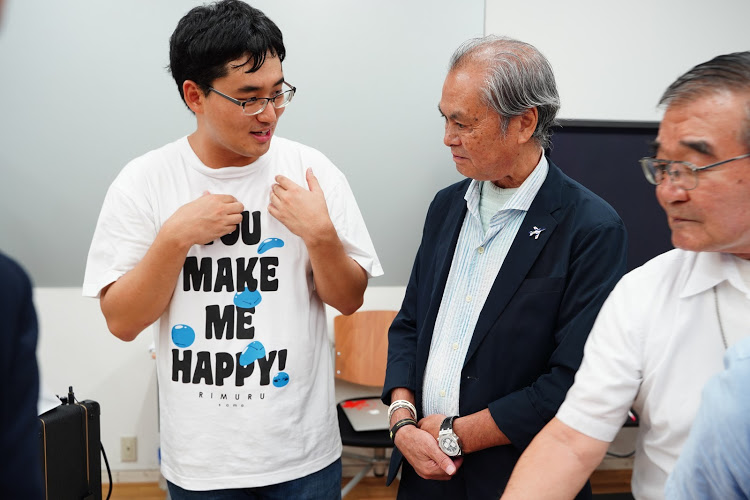
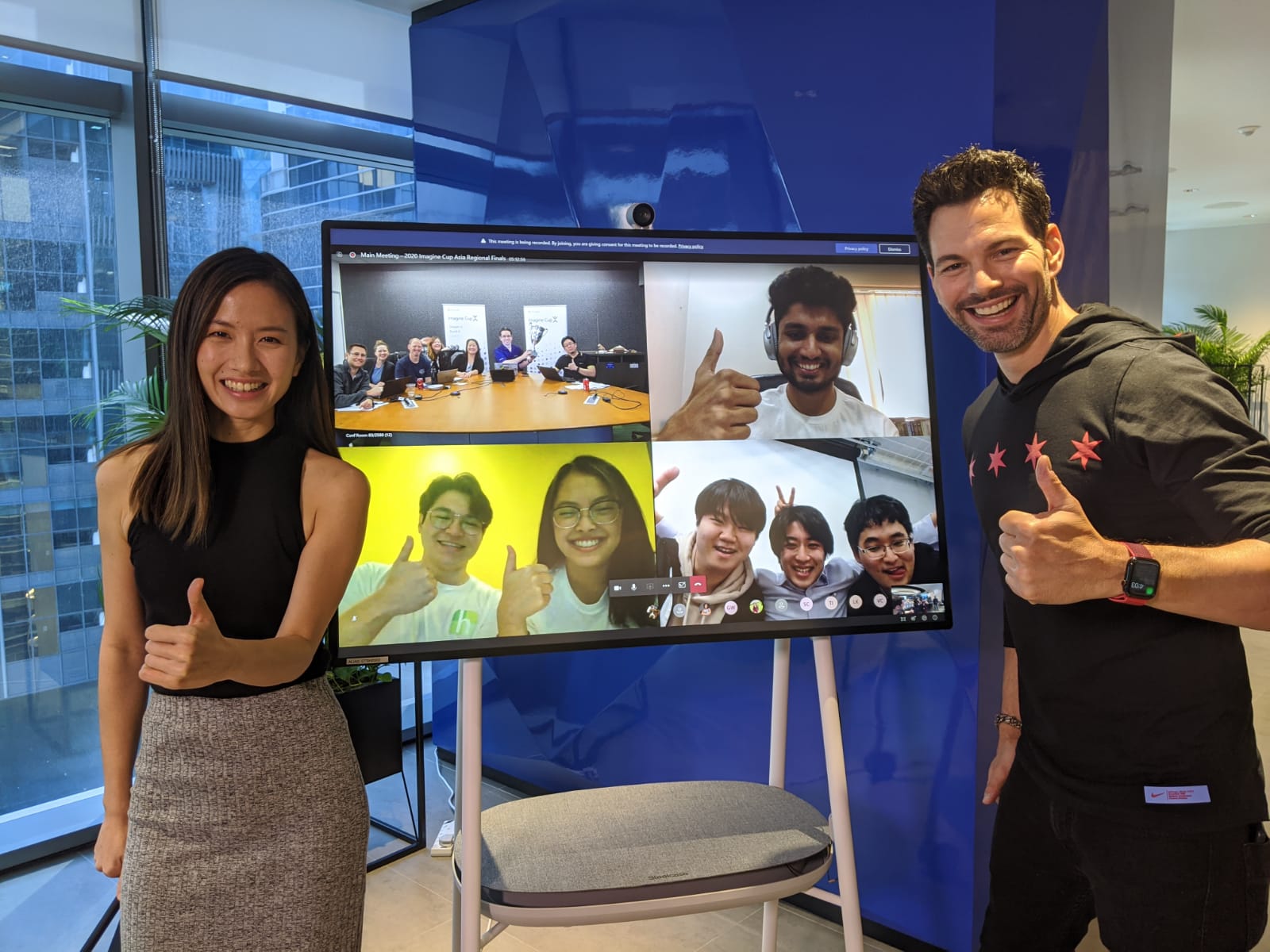
Recognition
- Microsoft Imagine Cup World Final — Top 3 (2020)
- James Dyson Award — World Top 20 (2020)
- Wired Creative Hack Award — Sony Award (2020)
Press coverage
- CNN — “This ‘artificial larynx’ prototype aims to give cancer survivors their own voices back”
- Microsoft News Japan — “Regain your voice with the power of AI”
- Robot Start — Syrinx coverage
Publication Development of a hands-free electrolarynx for obtaining a human-like voice using the LPC residual wave — Electrical Engineering in Japan (2nd author)
asEars — wearable hearing assistance device
Kawahara Laboratory · Research Assistant · 2020.04 – 2021.10
asEars is a wearable device built into smart glasses that enhances communication for individuals with single-sided deafness (SSD). People with SSD struggle to localise sound and follow conversation in noisy environments — asEars addresses this by processing and spatially routing audio in real time.
My contributions
- Designed a custom compact audio amplifier PCB using Autodesk Eagle, optimised for the form factor of smart glasses
- Improved latency performance of the Class D audio amplifier
- Developed the embedded firmware for the audio processing pipeline
More projects coming soon.